
For sustainable water, sanitation and hygiene (WASH) services to reach every community in Nigeria, strengthening infrastructure alone is not enough. Strong institutions, effective governance, increased public financing and coordinated partnerships are equally critical to ensuring services continue long after development programmes end.
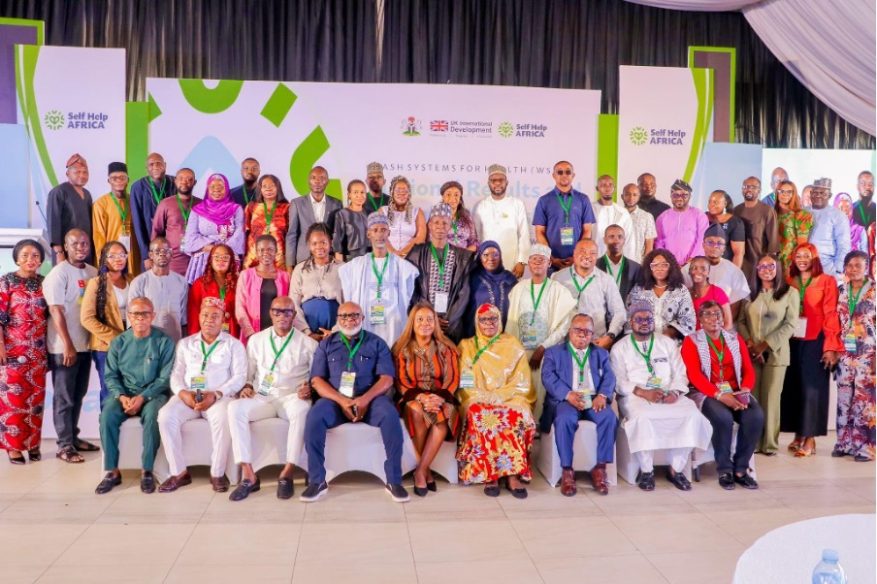
This shared vision brought together government leaders, development partners, donors, civil society organisations, private sector actors, academia and media representatives in Abuja for the WASH Systems for Health (WS4H) National Outcomes and Learning Workshop, organised by Self Help Africa and funded by the UK International Development from the UK Government.
The workshop provided a platform to reflect on two years of implementation of the WASH Systems for Health programme (WS4H) in Cross River and Kano States, share evidence of what has worked, discuss implementation challenges, and identify opportunities to strengthen and scale systems-based approaches across Nigeria’s WASH sector.
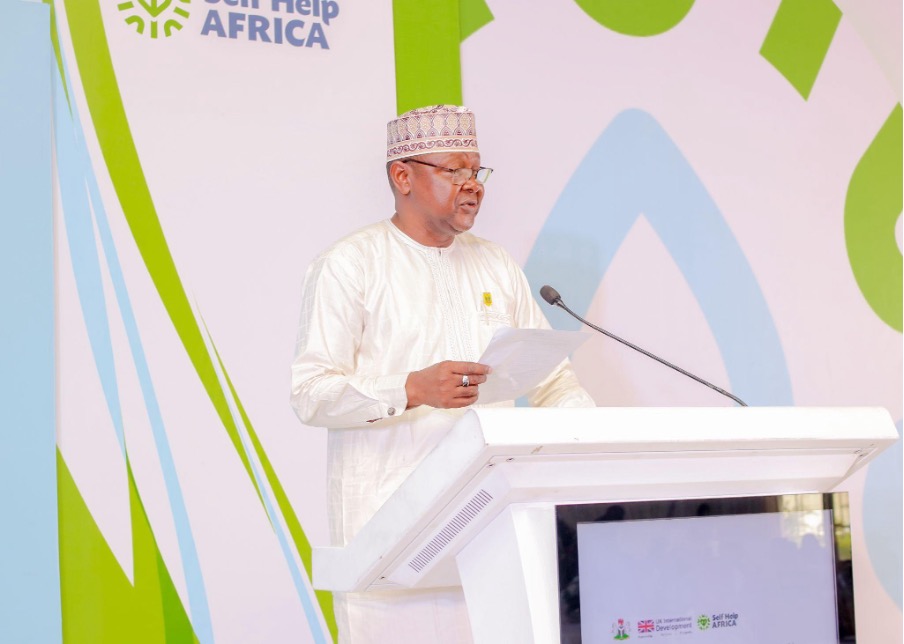
“I wish to commend Self Help Africa for its commitment to strengthening WASH systems (in Nigeria) and for providing this platform to reflect on lessons learned, share experiences and chart a sustainable pathway towards improving health outcomes for all Nigerians” – Mr. Jamilu Habu, mni Director, Water Quality Control and Sanitation, Federal Ministry of Water Resources and Sanitation, on behalf of the Permanent Secretary
Rather than focusing solely on infrastructure development, the programme invested in improving governance, strengthening institutions, promoting evidence-based planning, increasing public financing, enhancing accountability, supporting policy reform and building stronger partnerships across the WASH sector.
Delivering Results Beyond Infrastructure
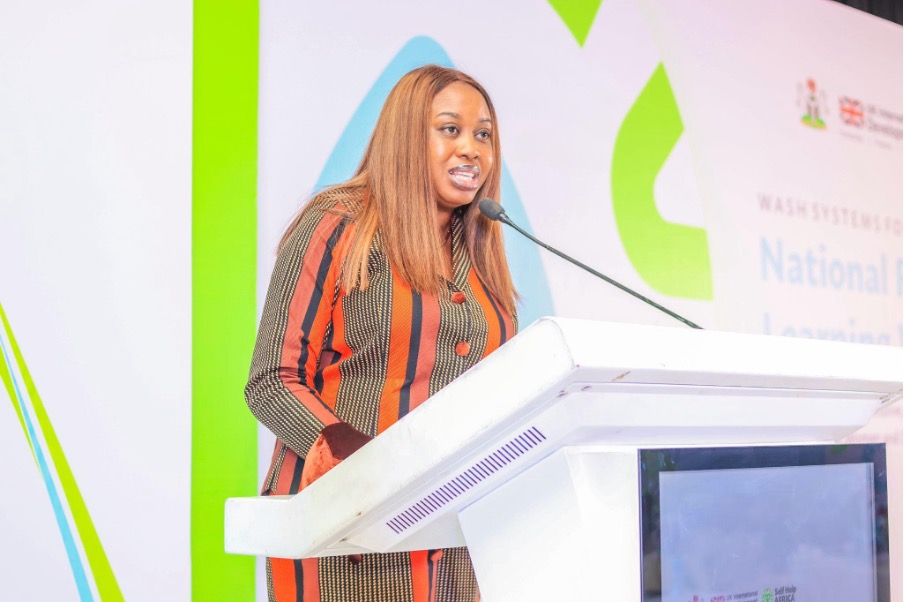
“We are handing over two years’ results from the WASH Systems for Health programme to the Nigerian government as part of the sustainability and transmission plan” _ Joy Aderele, Self Help Africa Country Director
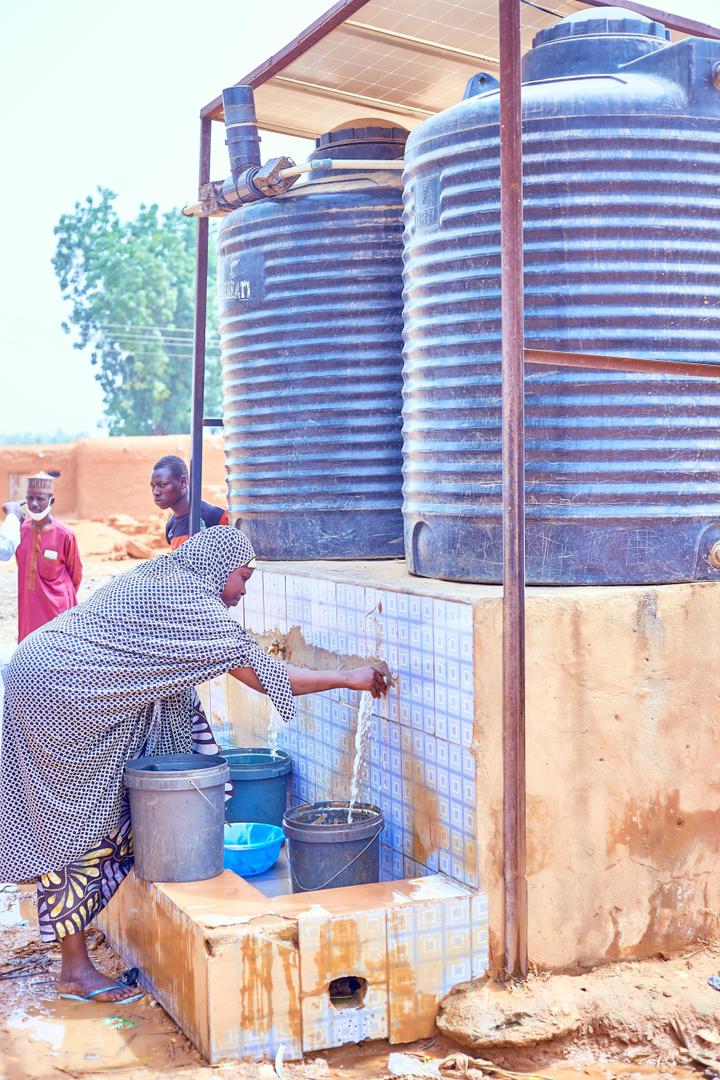
Through programme-supported interventions, more than 320,000 people now have improved or restored access to safe water services across Cross River and Kano States.
The programme also supported sanitation improvements in Yala Local Government Area (LGA) of Cross River State and Makoda LGA of Kano State, where more than 5,520 household toilets have been constructed, contributing to improved sanitation, healthier communities and progress towards ending open defecation.
These efforts contributed to significant increases in government investment in the sector. In 2026, Cross River State increased its WASH budget by 211 percent, while Kano State recorded a 169.07 percent increase, demonstrating growing political commitment to financing sustainable WASH services.
Strengthening Policies and Institutions
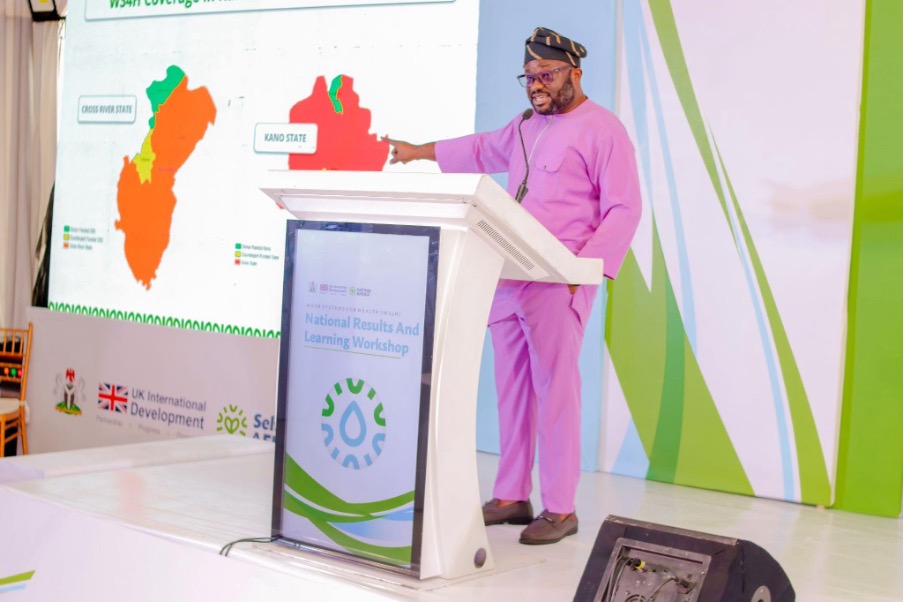
“We have been able to support both states in reviewing their WASH policies. These policies are climate resilient and can address the WASH needs of Cross River and Kano States communities.” – Timothy Ibeawuchi, WS4H Programme Manager
The programme has also supported important reforms that strengthen the enabling environment for long-term WASH service delivery. Strategic planning documents, including State WASH Finance Strategies and Sustainable Basic Sanitation Access Roadmaps, were developed and launched to guide future investments, mobilise resources and expand access to sustainable services.
In Cross River State, the passage of the Water Law and the Open Defecation Prohibition Bill marked important legislative milestones that reinforce government’s commitment to improved WASH governance and accountability.
At the local government level, strategic WASH plans have also been developed to strengthen local ownership, improve planning and support evidence-based investment decisions.
Looking Ahead
While the WASH Systems for Health (WS4H) programme has demonstrated that meaningful progress is possible through systems strengthening, sustaining these gains will require continued commitment from governments, development partners, civil society, communities and the private sector.
The policies, financing strategies, institutional reforms and collaborative partnerships established through the programme provide a strong foundation for expanding access to safe water, improved sanitation and better hygiene services across Nigeria.
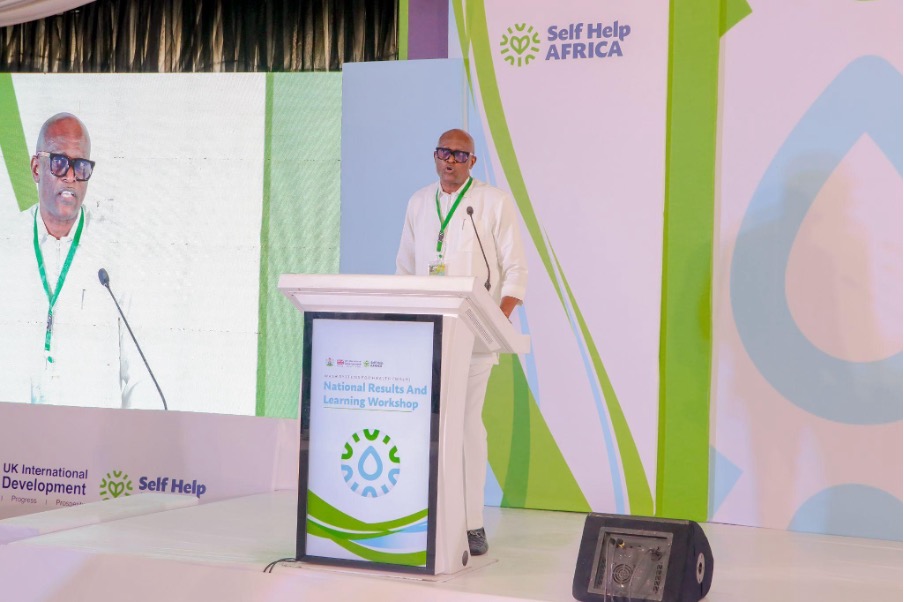
“The name Self Help Africa is a household name because of their collaboration with the Cross River State government. We have been able to pass the water law, the state WASH policy and other WASH strategic documents. We have to ensure that these laws, policies and strategic guidance are implemented to get WASH delivery right.” – Barr. Offiong Bassey Mensah, Commissioner for Water Resources and Sanitation, Cross River State