
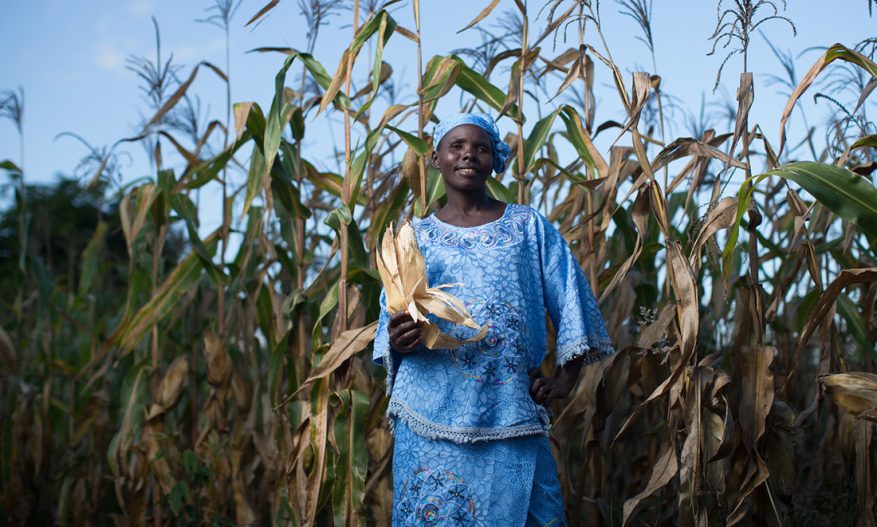
An ambitious new development project supporting 180,000 people to produce enough food and adapt to the effects of changing climate in an environmental ‘hot zone’ in Zambia has been started in the southern African country.
Taking place over five years in Central and Southern Provinces of Zambia, the project will seek to make crop, livestock and forestry production more sustainable and resilient, support ecosystem biodiversity for food and agriculture, and will seek to double the agricultural productivity and incomes of small-scale food producers, in particular women, indigenous peoples, family farmers, pastoralists and fisherfolk, by 2030.
72% of the one million population of the two regions rely on rainfed subsistence agriculture. In recent years, farm production has decreased significantly as a result of increased temperatures, reduced rainfall, and more frequent and severe droughts.
The new five-year project has received funding of more than €9.3 million from the UN Food & Agriculture Organisation (FAO) and the Global Environment Facility (GEF), which funds work that combats land degradation, promotes biodiversity, mitigates the effects of changing climate and delivers global environmental benefits.
More than 50% of project participants will be women, with a high proportion of activities being designed to provide support and create opportunities for young people.
Self Help Africa will be FAO’s Operational Partner for the delivery of the ‘Resilient Communities, Land Restoration and Sustainable Ecosystems Management’ project, and will work in collaboration with the Zambian government and local organisations to reach the target communities in the coming years until 2030.
CAPTION:
Mary Ndlovu grows improved variety drought tolerant maize on her small farm in Zambia.