
Christina, Zambia
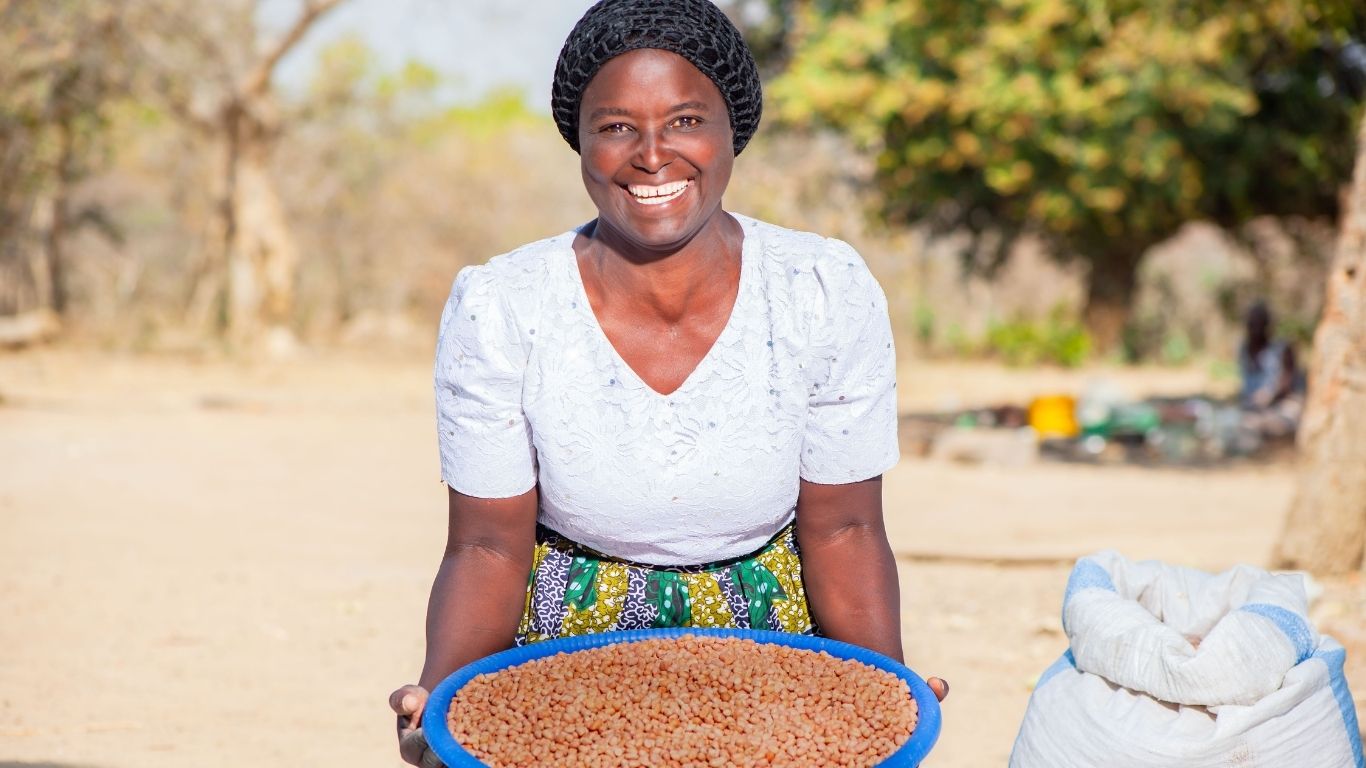
Christina knew that she’d been given an important role when she was elected to chair the community Natural Resource Management Committee in Monze district, southern Zambia.
This farmer-led group was established as part of a farmer-led Self Help Africa initiative focusing on restore degraded land, tree planting, and providing training in climate-smart agricultural techniques.
Under Christina’s leadership the group mobilized 200 farming families, bringing over 200 hectares of land in the ‘Kafue Flats’ region into the scheme. With the support and guidance of the committee the farmers set about controlling grazing on the grasslands; managed the wetlands and established a fire management plan. Over time these different activities enabled the regeneration of farmland, preserved forestry, and protected the environmentally sensitive low-lying wetlands that spread out from Kafue River, a major tributary of the Zambezi River.
In addition, the group has established three tree-nurseries that have produced and distributed more than 6,700 fruit tree seedlings to local families.
Using knowledge and skills picked through different training programmes, a community seed bank was also established. This enables farming families in Monze to access quality seed like legumes, cassava and sweet potato.
Caroline, Kenya
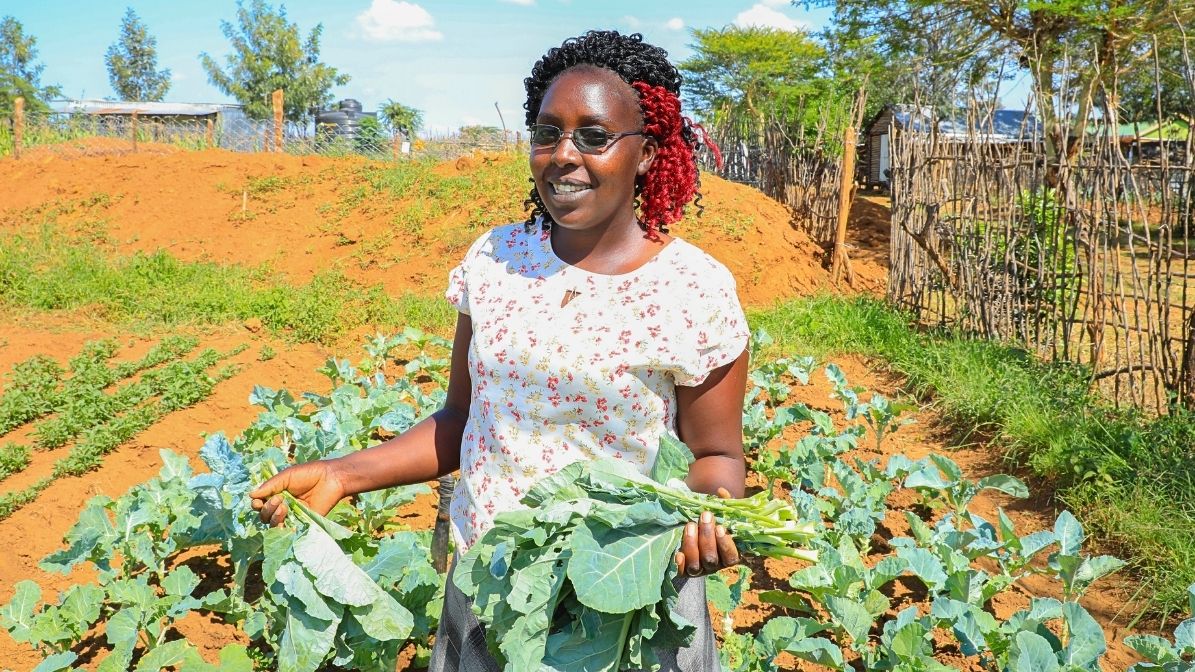
Every year Caroline watched her harvest decline as the dry seasons started earlier, and rainfall more erratic. She faced a constant struggle to have enough food to eat, or make enough income to buy food during times of scarcity.
“When I planted vegetables on the farm, I struggled, some of the produce would end up getting spoiled. We had to cook whatever was available, meals were very poor” she told us.
But today, life is very different.
Caroline joined an innovative Self Help Africa initiative supporting women involved in farming activities and other micro-enterprises.
Caroline received drought resistant seeds and training in how to set up a kitchen garden and grow a variety of crops.
Caroline and the other women in her group also learned about different methods of preserving; so that during the dry season they have nutritious food to both eat at home and sell on to others.
“Thanks to the training and support from Self Help Africa, my vegetables are thriving. I can sell produce all year round, and I am generating good income. With the fresh vegetables we harvest, we can provide nutritious meals for our families”.
Adidja, Malawi
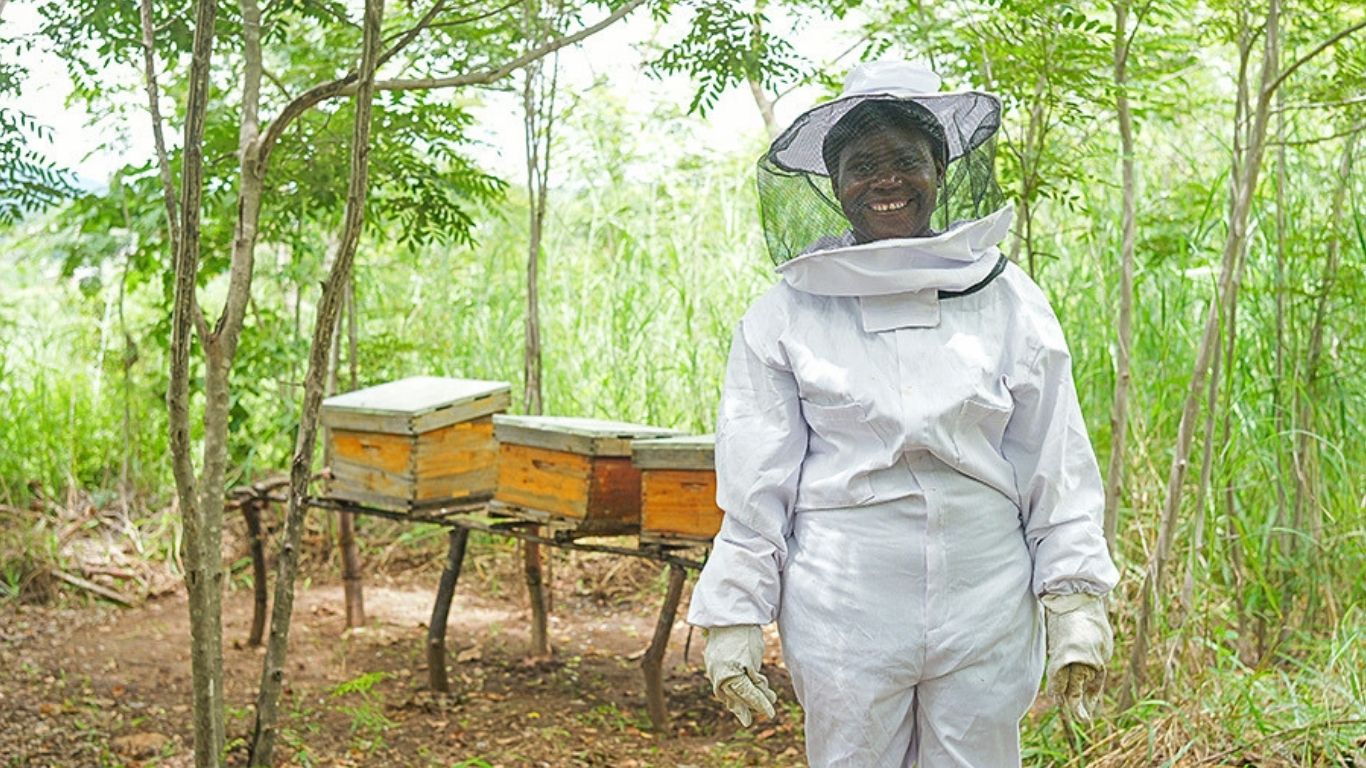
In Dedza, rural Malawi, young mum Adidja struggled to grow enough in her small plot to eat or sell. Few employment opportunities locally added to the challenge and she and her young family often went hungry.
Then, a new Self Help Africa initiative supporting bee-keeping and small scale honey production for women started in her community. Adidja saw this as a lifeline, and she joined straight away.
Adidja received a beehive, equipment and training and together with other women farmers, now produces honey which is sold locally.
“We learned how to manage the beehives, got business training and learned how to market our honey. This income pays for food and school fees for our children” she told us.
Adidja was also trained in forest maintenance. Self Help Africa supported local farmers in planting over 50,000 tree seedlings; and now Adidja is nurturing these plantations with a local team of forest guardians.
Trees provide a source of food for the bees, nutrients for the soil, and are vital to protect the watershed in the area.
As Adidja says “The bees need the trees, and the trees need the bees!”
Beyene, Ethiopia
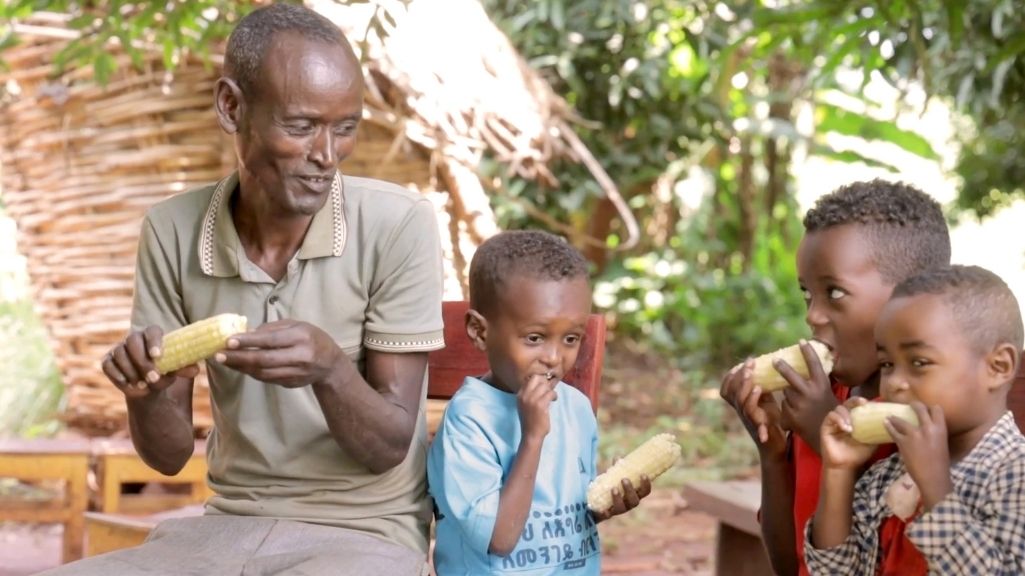
In Kindo Koysha, Ethiopa, Beyene and his young family live on the frontline of climate change - and year on year this worsening crisis saw the quality and quantity of his small maize harvest decline.
Last year Beyene received improved maize seed, under a Self Help Africa initiative in his community. This Quality Protein Maize (QPM), is a biofortified crop, and more robust for the harsh growing conditions.
On his very first harvest Beyene noticed the difference - the cobs were bigger and more plentiful! However, for Beyene the benefits go beyond the income from a successful harvest. The enriched maize is a source of vital nutritious food for his young children. He told us
“It’s extremely productive and beneficial. Just one cob is so full that even a single family member can’t finish it alone!”
Chikondi, Malawi
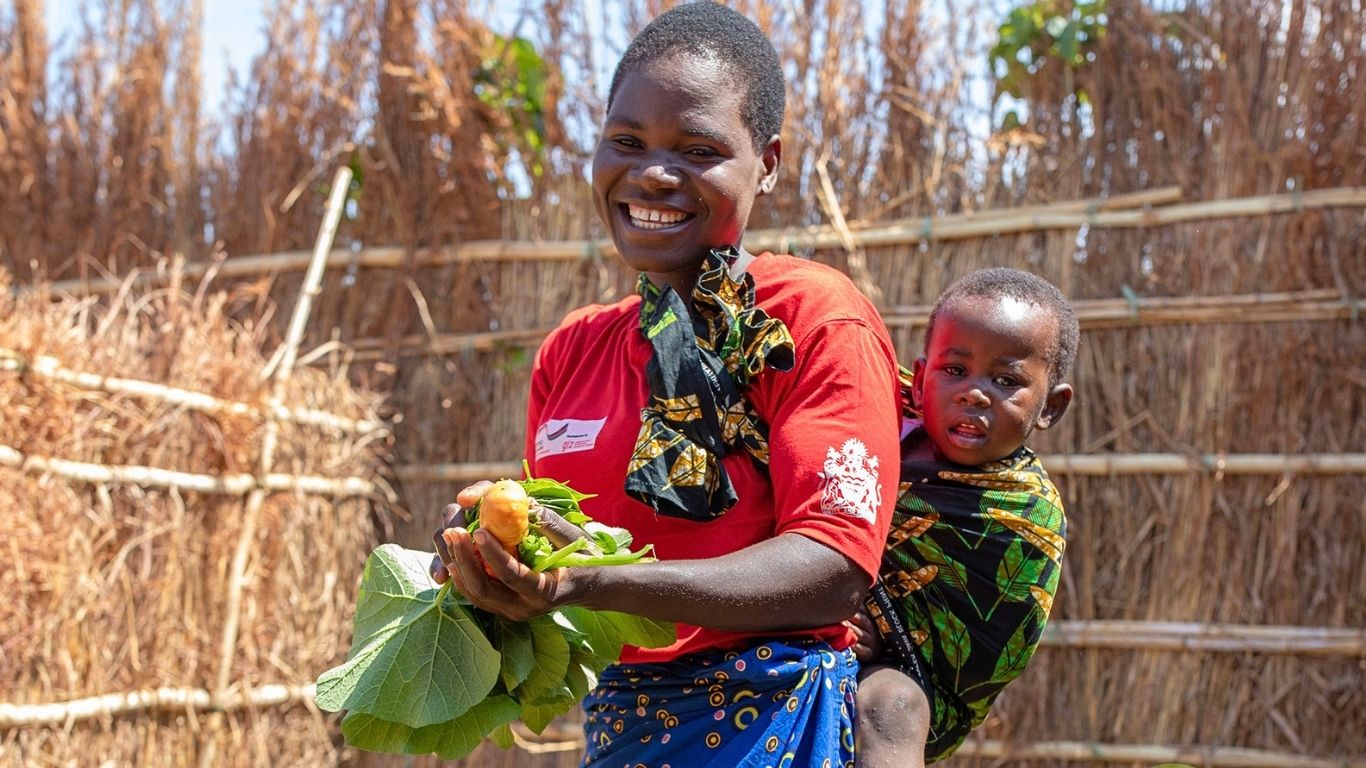
Chikondi lives with her young family in a remote area of southern Malawi. In this region, the changing climate is having a devastating impact, as successive droughts have ruined harvests and incomes for so many families.
As part of a Self Help Africa nutrition initiative in her community, she received a variety of seeds and training in keeping ‘backyard’ sack gardens. This type of growing method uses less water, and requires very little space, and is very easy to maintain.
Chikondi 's dusty back yard soon began to flourish and thrive, yielding an abundance of fresh, organic produce like vibrant tomatoes, cabbage, greens and sweet potato.
Now, she and her children are thriving with enough food to eat all year round.
Chikondi also sells some of her surplus produce locally. Just two years ago this was a barren plot, now she is helping her whole community become more food secure!